Thursday, January 12, 2012

SCHOLAR DONATES ARCHIVES ON HYDABURG, HAIDA TO SHI


An anthropologist who studied the City of Hydaburg and the Haida history and culture there has donated his field work and doctoral papers to Sealaska Heritage Institute (SHI).

Dan Vaughan, Ph.D., spent a decade working in Hydaburg on Prince of Wales Island as a cultural anthropologist for the University of Washington from 1974 to 1984. During that time, he also did work on his dissertation, which was a study of the Haida people in Hydaburg reaching back two-hundred years.

The collection has important research value because it documents decisions people in Hydaburg have made over the last century, said SHI’s Archivist and Collections Manager Zachary Jones.

“These are administrative, political, and even cultural decisions,” Jones said. “There’s a great deal of genealogical data as well, which may well serve people interested in learning more about their family history from Hydaburg or just the general history and culture of the people from Hydaburg.”

The collection includes written documents, such as correspondence and meeting minutes, from Hydaburg dating to the 1920s plus photographs and field work recordings made by Vaughan as he interviewed people. He also recorded people singing and speaking in Haida.

Vaughan donated the collection to SHI because he wanted it to go to an organization that represents Alaska Natives, Jones said.

“He saw a place where he felt they could be cared for appropriately which could service the people of Hydaburg or those interested in that area,” Jones said.

SHI’s collections facility is open to the public and located at Sealaska Plaza in Juneau. The institute employs a full-time staff to care for collections and assist researchers studying Tlingit, Haida, and Tsimshian cultures.

Sealaska Heritage Institute is a regional nonprofit representing the Tlingit, Haida and Tsimshian people of Southeast Alaska. Its mission is to perpetuate and enhance Tlingit, Haida and Tsimshian cultures.

CONTACT: Zachary Jones, Archivist and Collections Manager, 586-9261

Photo credit: Photo of Dan Vaughan in Southeast Alaska, circa 1977, from the Dan Vaughan Collection

Tuesday, November 22, 2011

Human Rights Actions of Alaska Native Brotherhood & Sisterhood Camp 2 in 1940

The detailed history of racial discrimination against Southeast Alaska Natives remains to be written. Fortunately the late Dr. Walter A. Soboleff (1908-2011), an advocate for Tlingit culture and Human Rights, saved his correspondence, meeting minutes, and other records while an active and leading member of the Alaska Native Brotherhood (ANB), which served to document the historic Human Rights actions of ANB and ANB’s counterpart, the Alaska Native Sisterhood (ANS). The materials he saved, amounting to 37 boxes of historic documents stored at Sealaska Heritage Institute, detail this effort on many levels, and are available to the public for educational research.

Recently, I reviewed the 1939-1945 ANB/ANS Camp 2 meeting minutes ledger. Reading over the joint ANB and ANS meeting for February 12, 1940, I encountered documentation speaking to Human Rights actions undertaken in Juneau by ANB and ANS.
Under the direction of ANB Camp 2 President William S. Wanamaker (1889-1944) (Tlingit of the Kiks.ádi Clan), the meeting minutes record Cyril J. Zuboff Sr. (1892-1869) raising the issue of the Juneau Sports Arena refusing to allow Alaska Natives entrance. Minutes then record proposals to address this situation, which included; 1) engaging in efforts that encouraged people from “refraining from patronizing” the arena, 2) the creation of a four member committee (two ANB men and two ANS women) to address the issue, and 3) that this committee “present a written protest at the next [Juneau] Chamber of Commerce meeting.”

These two short pages (provided below), from this old ledger, speak a great deal about the history of Human and Civil Rights and the reasons ANB and ANS fought for the Anti-Discrimination Act of 1945 and additional efforts.

Sealaska Heritage Institute is a regional nonprofit representing the Tlingit, Haida and Tsimshian people of Southeast Alaska. Its mission is to perpetuate and enhance Tlingit, Haida and Tsimshian cultures. SHI maintains a large collection of archival materials that document the Tlingit, Haida, and Tsimshian cultures.

Thursday, November 17, 2011

The Alaska Native Brotherhood’s 1921 Grand Camp Meeting

With the 100 year anniversary of the Alaska Native Brotherhood (ANB) occurring in 2012, many will be reflecting on the history, role, and actions of ANB.

I recently came across the ANB Grand Camp Program for 1921 (scan below). While no minutes from the 1921 meeting have survived (although SHI has published the 1920 ANB minutes), the 1921 program lists the convention’s agenda and the topics discussed. Some of the issues of the day included fishing rights, segregated schooling, Civil Rights, Human Rights, and discussions on sovereignty and land ownership, such as through a reservation system. The final open forum topic for the third day of the meeting, which poses questions for discussion on the legality and fairness of the judicial system in Alaska towards Alaska Natives, is of particular interest. Scheduled be held after a speech on the rights of Alaska Natives presented by Hon. James Wickersham, it reads;

“Open Forum. The tremendous handicap of fair trial by juries composed entirely of White men, through an interpreter, leading to the question; “Would a lone White man consent to a trial by Natives in “Indian Country.”

Such a document provides a glimpse into the history of ANB and the issues of importance to Southeast Alaska Natives nearly 90 years ago.

Credit: Program from the Walter A. Soboleff Papers, Sealaska Heritage Institute.

Monday, October 24, 2011

SHI TO SPONSOR LECTURES FOR NATIVE AMERICAN HERITAGE MONTH


Sealaska Heritage Institute (SHI) will sponsor a noon lecture series to celebrate Native American Heritage Month in November.


The brown-bag lunch series will focus on the impact of the Alaska Native Claims Settlement Act (ANCSA) which was passed by Congress forty years ago, said SHI President Rosita Worl, adding Tlingit and Haida and Sealaska Corporation also will sponsor a November luncheon in recognition of ANCSA.

Alaska settled its Native land claims in a historic way by founding Native corporations. That was a complete departure from the way Native tribes in the Lower 48 settled land claims by forming reservations, Worl said.

“ANCSA is a very different creature than reservations, “Worl said. “I know Alaskans hear a lot about Native corporations but they might not always understand the history of ANCSA, or how corporations work.”

The lectures will be held from 12-1 pm in the 4th floor boardroom at Sealaska Plaza in Juneau. The series was sponsored by McDowell Group and Kathy Ruddy of Juneau. Attendees are invited to bring their own lunches.

Lectures
12-1 pm, Sealaska Plaza, 4th Floor Boardroom (bring your own lunch)

Friday, Nov. 4

ANCSA: Good or Bad?

Byron Mallott

Fellow, First Alaskan Institute

Monday, Nov. 14

The Interrelationships Between Tribes and Corporations

Edward Thomas

President, Central Council of Tlingit and Haida Indians of Alaska

Tuesday, Nov. 15

Alaska Native Corporations and Cultural Models of Sustainability

Thomas F. Thornton

Senior Research Fellow, Environmental Change and Management, Oxford University

Monday, Nov. 21

The Legal Status of Alaska Native Corporations & Economic Self Determination

Chris McNeil

President & CEO Sealaska Corporation

Monday, Nov. 28

ANCSA: A Path to Assimilation or Cultural Survival

Rosita Worl

President, Sealaska Heritage Institute

The Central Council of Tlingit and Haida Indians and Sealaska Corporation also will sponsor a noon luncheon on Wednesday, Nov. 16, to recognize the initial Sealaska Board of Directors and Emil Notti, Chair of the Alaska Federation of Natives when Alaska Natives were pursuing the settlement of their aboriginal land claims.

Sealaska Heritage Institute is a regional nonprofit representing the Tlingit, Haida and Tsimshian people of Southeast Alaska. Its mission is to perpetuate and enhance Tlingit, Haida and Tsimshian cultures.

Photo: Guest lecturer Dan Monteith at SHI’s 2010 lecture series in Juneau,

Wednesday, October 19, 2011

SHI RECEIVES GRANT TO STUDY HISTORIC TLINGIT RECORDINGS


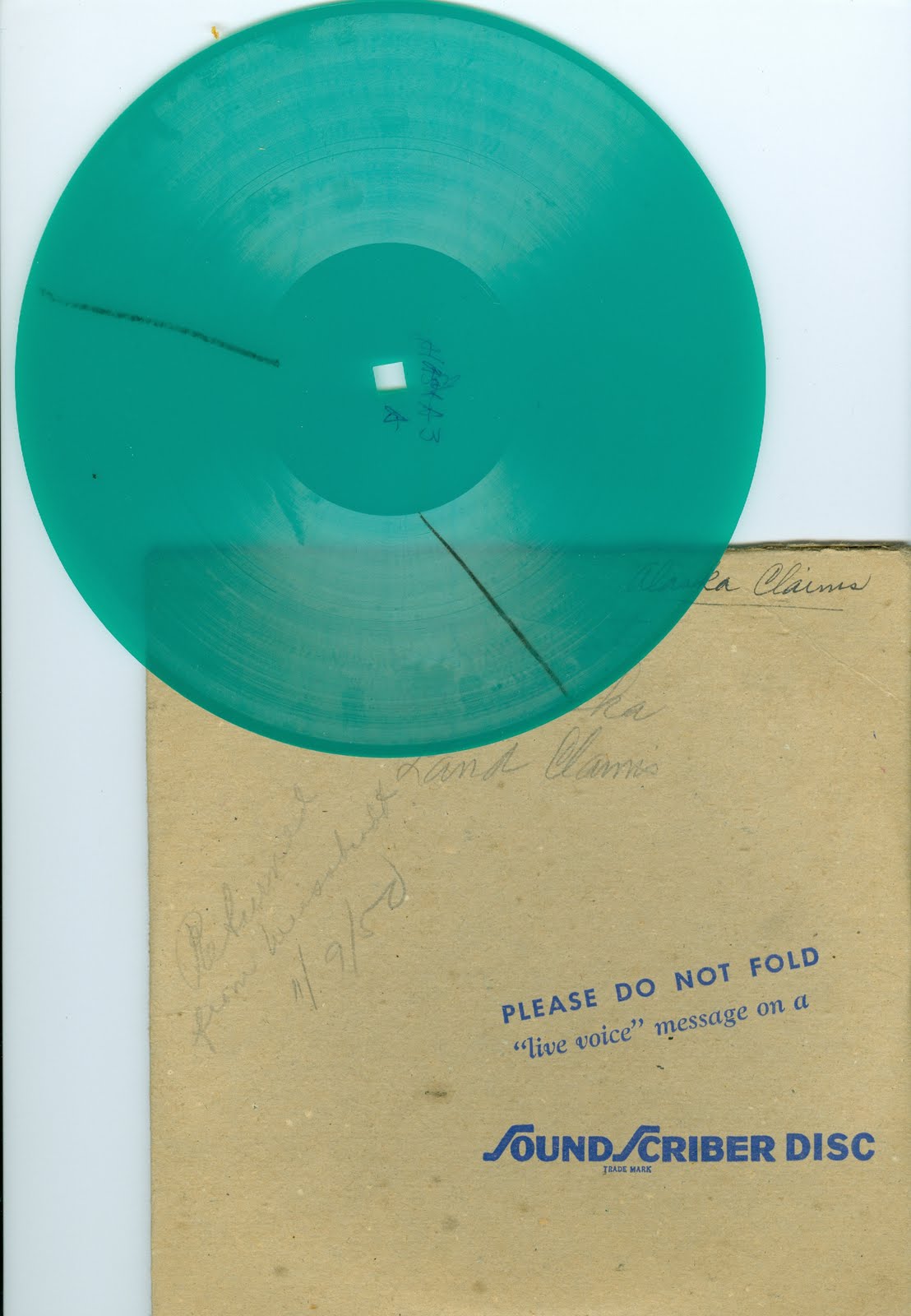
Sealaska Heritage Institute (SHI) has received a federal grant to research and migrate old Tlingit language recordings to a format that will make them more accessible to modern-day Native language students and scholars.

The $150,000, two-year grant from the Institute of Museum and Library Services will allow SHI to migrate more than one hundred recordings of people speaking Tlingit from an old format to a digital format, said SHI Archivist Zachary Jones. Recordings with the potential to aid language students and educators will be placed online.

“We’re very excited about this grant because it not only helps us with our archival collections, but it also helps us with our language,” Jones said.

The oldest Tlingit recordings date to the early 1900s, and historic Tlingit recordings from that era will undergo a review. SHI will contract fluent Tlingit speakers to listen to the recordings and provide detailed information on topics such as traditional ecological knowledge and Tlingit history.

“It will help document the content of them in great detail right down to the clan or clan-house level if possible,” he said.

The grant also will fund an internship program between the institute and the University of Alaska Southeast, allowing undergraduate students studying Tlingit language to become involved in this language orientated project. And, it will establish a sharing partnership with the University of Alaska Fairbanks’ Alaska Native Language Archive, meaning the organizations will donate copies of some materials in their archives to each other.

Sealaska Heritage Institute is a regional nonprofit representing the Tlingit, Haida and Tsimshian people of Southeast Alaska. Its mission is to perpetuate and enhance Tlingit, Haida and Tsimshian cultures. SHI maintains a large collection of archival materials that document the Tlingit, Haida, and Tsimshian cultures.

CONTACT: Zachary Jones, SHI Archivist, 907.586.9261